‘No Clinic, No Ambulance’ – Ataso Residents Forced to Use Wooden Structures and Aboboyaa for Patients

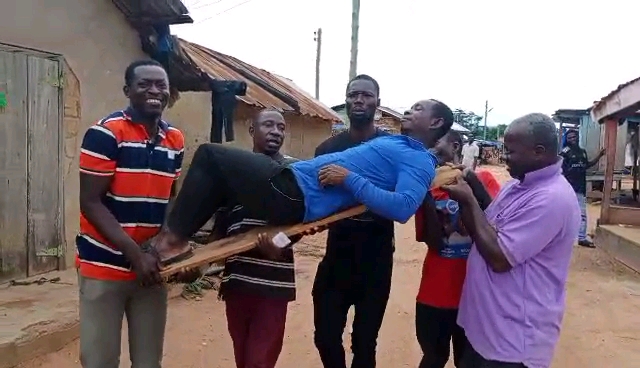
The people of Ataso, a farming community in the Atwima Mponua District of the Ashanti Region, are crying out for urgent government intervention as they continue to grapple with life-threatening healthcare challenges. With no clinic or ambulance serving the area, residents say they have been left with no option but to rely on wooden structures, motor tricycles known locally as aboboyaa, and motorbikes popularly called okada to transport patients and pregnant women to hospitals outside the community.
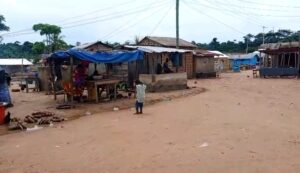 During a visit to Ataso, residents recounted the painful and often dangerous journeys they are forced to make in order to access medical care. The poor road network has compounded the crisis, forcing families to improvise with wooden carriers to ferry the sick and injured to Kotokuom, Nkawie, or Toase hospitals. In some cases, expectant mothers are strapped to wooden frames and carried on foot to the roadside before being transferred onto an okada or aboboyaa for the rest of the journey.
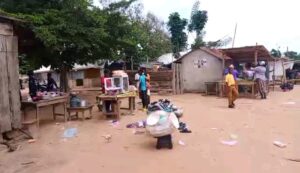 Resident described the ordeal with frustration and sorrow. “We have no ambulance here, no clinic, nothing. If someone is sick or a woman is in labor and there is no motorbike, we tie her onto a wooden structure and carry her on our shoulders until we reach the roadside. Sometimes we place patients on an aboboyaa or okada, even though it is risky, because that is the only way to save lives,” he explained.
Residents fear that without urgent intervention, more lives will continue to be lost due to delays in receiving medical attention. They are therefore appealing to government, non-governmental organizations, and philanthropists to provide them with a health center, an ambulance service, and improved roads to ease access to healthcare. “Our mothers, children, and elders are suffering. We are begging authorities to hear our cry. Healthcare is a right, not a privilege,” another resident said, close to tears.
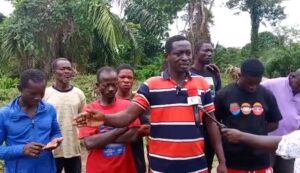 Mr Kwame Ben, the Unit Committee vice chairman of Ataso electoral area, disclosed that earlier efforts had been made to secure land for the construction of a Community-Based Health Planning and Services (CHPS) compound to address the crisis.
 “We cannot continue to carry pregnant women on wooden structures or put patients on okada and aboboyaa just to keep them alive. We need urgent intervention now. We are appealing to our leaders to act before another life is lost.”
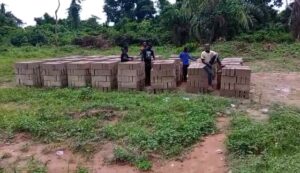 The situation in Ataso underscores the harsh realities faced by many rural communities across Ghana. Until their appeal is answered, wooden structures, aboboyaa, and okada will remain the community’s only lifeline to hospitals.